






How Do You Choose Gemstone Jewellery in London?

Picking gemstone jewellery takes a bit of deliberate focus, and the gemology specialists have been saying this for years. Colour, clarity, cut, and carat weight are usually the baseline for judging coloured stones, but colour often has the biggest say. In a city with a deep jewellery commerce tradition, buyers can apply these ideas in a step-by-step way. You also want to grasp the material characteristics, any treatment history, and the documentation that actually accompanies the stones. That combination helps confirm the piece does what it should, both visually and in everyday use. This method leans on proven gemological reasoning, not on fleeting fashion impulses.
Understanding Core Quality Factors
Colour still rules the show for most gemstones. You want a stone with steady saturation and a pleasing tone, not those muddy patches or areas that are too dark, in general. Specialists point out that the “right” balance shifts by variety; for a lot of kinds it should look vivid but not heavy with opacity. After that comes clarity; even so perfectly eye-clean specimens are rare in nature. Small internal features are often tolerated as long as they do not reduce durability or visual charm, at a typical viewing distance. Then there is the cut, which decides how light moves through the gem. A well-judged cut boosts colour as well as brilliance while preventing windowing and also avoiding over‑loss of light. Carat weight determines the apparent size and usually the price; still bigger is not automatically better if the colour or the cut becomes weaker.
These four factors interact and you can see it in practice. A smaller stone with a superior hue and cut often ends up doing better than a larger one with weak proportions or an uneven build. Independent lab results from reputable groups like the Gemological Institute of America supply objective data about those traits and any enhancements that were used. For buyers it helps to look over that documentation first before you commit to the purchase.
Material Properties and Durability Considerations
Hardness on the Mohs scale is meant to show how well a stone resists scratching, the ability to keep its surface from getting marked up. Gems rated 7 or more usually work better for everyday use than those below that mark. But hardness is only one side of the picture. Toughness, meaning resistance to breaking or chipping, also matters a lot, even when the stone feels strong.
A good setting helps, because it shields the most vulnerable parts. Edges are the first targets during knocks, so protection is crucial, especially for softer materials. Even with a sturdy stone, the metal quality and the actual craft of the mount influence how long the piece lasts. Well-fitted prongs, bezels, or channels make it less likely the gem will shift, chip, or go missing during daily wear.
For ethical accuracy, clear disclosure of treatments is essential. Heat treatment is common and generally accepted for many stones when it is fully disclosed; it is permanent and stable. Other methods, like fracture filling or diffusion, can change both value and how the stone should be cared for. Reputable sellers will state these details plainly. In some cases, natural stones without treatment cost more; however properly identified treated material is still legitimate and usable.
Exploring Specific Gemstone Options
Different gemstones have their own optical and physical quirks. One choice that has gotten attention for that play-of-colour effect is the Ethiopian Opal Jewellery Set. Ethiopian opals, especially those linked to the Welo region, often show strong sparkles of red green blue and orange across a body colour that shifts from translucent-looking to more opaque. A key point is that they are hydrophane. In practice these stones can take in water, which then changes transparency and the way the colours look. Afterward once they dry again, they usually go back to how they were, but if they stay in liquids too long, or meet chemicals, permanent darkening or other damage can happen. Their hardness usually sits near 5.5 to 6.5, so safe settings plus gentle handling matter a lot. Try to avoid soaking them in water, do not use ultrasonic cleaners, and keep them away from lotions or perfumes. Because of these traits, this type of piece fits occasional wear better than nonstop daily use.
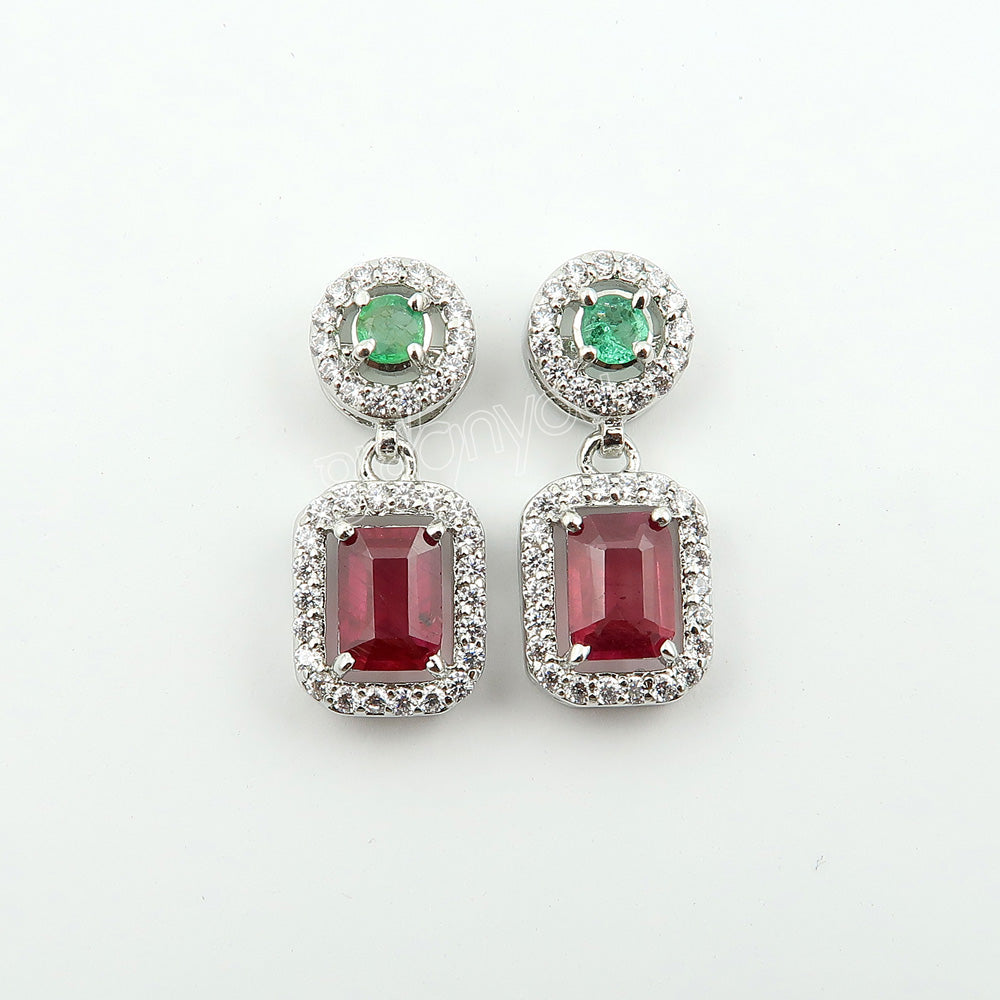
A classic pick is the Garnet Jewellery Set. Garnets are a family of related minerals not just one single species. The well-known deep red types, often almandine or pyrope, usually measure about 7 to 7.5 on the Mohs scale, and they bring solid resilience for everyday wear. You may also see orange spessartine and green varieties like tsavorite mixed in, which keeps the look interesting. Most garnets arrive to the market without treatment, and that matters, since many other coloured stones are processed. Aim for colour that looks bright and evenly spaced throughout; darker or murky stones tend to look flat. For care, warm soapy water with a gentle brush is normally enough. Keep each piece apart so it doesn't get worn down by tougher materials.
Practical Steps When Selecting in a Major Jewellery Centre
Location does play a role in how easily you reach knowledge and how quickly inventory shows up, yes. In the case of Gemstone Jewellery London the city's set trade quarters and specialist dealers create a chance to sit and compare stones under the same kind of lighting, while also having time to ask those precise questions. When you look at a piece, try in daylight and then in indoor light, because colour stability can show itself that way. Also request magnification, not just a glance, to check inclusions and those small surface marks. If there are certificates included, verify them with the issuing laboratories' online database whenever it is feasible.
Then consider the intended use, because jewellery has different daily pressures. Rings take more knocks than earrings or pendants so it helps to lean toward tougher stones, or protective design choices for regular wear. For budgeting, it usually works best when quality leads and size follows. Metal choice is another piece of the puzzle: higher karat gold can present a deeper hue but it tends to be less hard than certain alloys. Finally hallmarks matter; they give dependable information on metal purity especially in markets that are regulated.
Ask sellers about the provenance, because that origin background can shift value or perceived rarity even if the origin report is not always fully conclusive. Look at a few different examples of the same variety before you commit, since seeing multiple pieces in context helps. It’s also normal to keep a personal preference for the exact hue and look; that sense is legitimate. Still, strong technical craft supports longer-term satisfaction, not only first impressions.
Care and Long-Term Maintenance
Good care preserves the look and, um, the actual structure. Before anything with water, chemicals, or direct physical impact, remove any jewellery. Clean it following the exact requirements for the stone. Softer stones demand gentler care, while harder ones can tolerate stronger cleaning approaches, so don’t treat them the same. Getting a professional inspection at regular intervals helps catch loosened settings early, before they become a problem. Store each item in its own soft pouch or in separate compartments to prevent surface scratching.
For added practical protection, insurance valuation should be done using accurate descriptions and the correct certificates. Keep the original documentation together with the piece, so the records stay reliable and complete.
Conclusion
Choosing gemstone jewellery rests on informed evaluation of colour, clarity, cut, carat, treatments, and durability. Knowledge of individual material behaviours, such as those of Ethiopian opal and garnet, guides realistic expectations for wear and care. Documentation from independent laboratories and transparent seller practices reduce uncertainty. In centres with deep jewellery traditions, these principles enable confident selection grounded in established gemological standards rather than marketing claims. A well-chosen piece combines visual appeal with lasting structural integrity when selected with attention to these factors.
Frequently Asked Questions (FAQs)
Que. What is the most important quality factor for coloured gemstones?
Ans. Colour usually ranks first. Even saturation, appealing tone, and strong saturation drive value and visual impact more than perfect clarity or maximum size for most species.
Que. Why does Ethiopian opal require special care?
Ans. Its hydrophane property allows absorption of water and other liquids, which can temporarily change appearance and risk permanent staining from chemicals. Softness also demands protection from scratches and impact.
Que. Are most garnets treated?
Ans. Garnets are typically untreated. This natural state distinguishes them from many other popular coloured stones that routinely receive heat or other enhancements.
Que. How can laboratory certificates help when buying?
Ans. Reputable reports from laboratories such as GIA confirm identity, describe treatments, and grade quality attributes. They provide an independent reference that supports informed comparison and valuation.
Que. Should softer gemstones be avoided for rings?
Ans. Not necessarily, but they benefit from protective settings such as bezels and are better reserved for occasional wear or lower-impact designs. Matching the stone’s hardness and toughness to expected use extends service life.