






How Do You Choose Gemstone Jewellery in Sheffield?

A gemstone isn't something you buy for one occasion and forget about. It stays with you, gets worn on ordinary days, catches on jumpers, sits in a drawer for months, then comes back out again. So the choice matters more than people usually treat it. Anyone new to Gemstone Jewellery Sheffield will find no shortage of small studios and independent jewellers here who work with natural stone rather than churning out identical pieces. What follows isn't a sales pitch, just a practical look at what to actually think about before you spend money.
What Gemstone Jewellery Actually Is
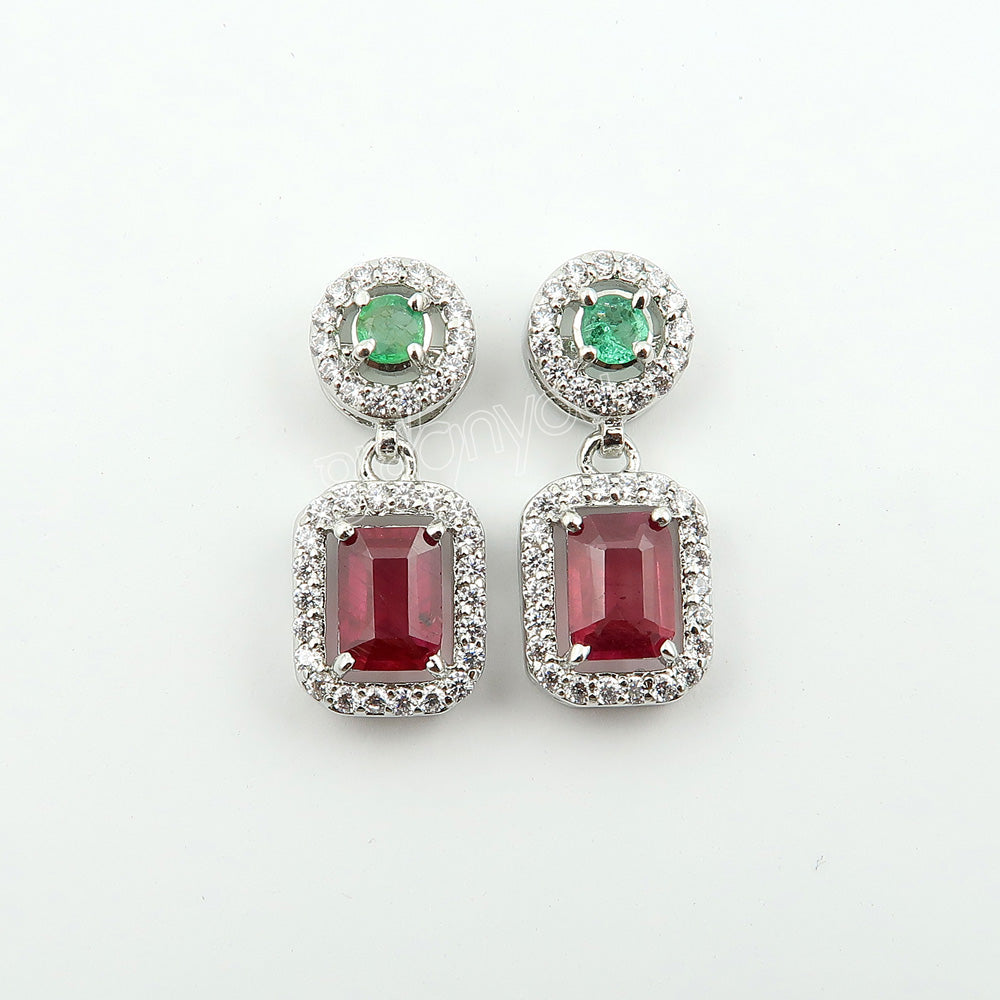
Put simply, it's jewellery where the stone does most of the talking. Metal holds it in place, but the mineral itself, its colour, clarity and how it was cut, is what gives a piece its personality. Some stones can take a beating. Sapphire and garnet, for instance, are tough enough for daily wear without much thought. Opal and labradorite are a different story; they scratch more easily and need a bit more attention. This distinction matters more than most buyers realise until after they've bought something that chips within a year.
What Gemstone Jewellery Sheffield Services Usually Include
Local jewellers don't just sell what's already sitting in a display case. A lot of them will set a stone you already own into a new ring or pendant, which is handy if you've inherited jewellery and want it reworked into something you'd actually wear. Resizing and repair work is common too. What's less obvious, and worth asking about, is sourcing. Some studios buy directly from cutters or small mining operations and can actually tell you where a stone came from and whether it's been treated in any way. Not every shop offers this kind of detail unprompted, so it's on the buyer to ask.
Why Hardness Matters More Than People Expect
Before picking a design, think honestly about your hands. Do you garden, cook, type all day, wash dishes without gloves? Softer stones don't hold up well against that kind of friction. There's a rough scale jewellers use, the Mohs scale, where diamond sits at 10 and something like opal or turquoise drops down to 5 or 6. That's not a reason to avoid softer stones altogether. It just means a ring probably isn't the right home for them. Earrings and pendants take far less physical punishment day to day.
A Word on Pink Tourmaline Earrings
Pink Tourmaline Earrings tend to sit in a comfortable middle ground, hardness-wise, usually around 7 to 7.5. That's tough enough for regular wear, and the colour holds up under light without fading the way some treated stones can. Tourmaline crystals grow long and narrow, which explains why you'll often see them cut into elongated or pear shapes for earrings, a cut that lets the natural colour banding inside the stone show through rather than hiding it.
Labradorite Drop Earrings and That Flash of Colour
Then there's labradorite, which behaves nothing like tourmaline. Labradorite Drop Earrings get chosen for one reason above all: the flash. Tilt the stone and it throws out blue, green, sometimes gold, depending on the angle of light hitting it. This isn't a coating or a treatment; it comes from thin internal layers scattering light unevenly, a natural quirk of how the mineral forms. Drop earrings suit this particularly well since they swing and catch light from different angles as you move, so the effect shows up more often than it would in a stud.
Questions to Ask Before Handing Over Money
Don't be shy about asking whether a stone is natural, treated, or lab-grown. All three are legitimate, but they're priced differently and cared for differently, so it's worth knowing which one you're getting. If you're buying online, ask for photos taken in daylight rather than under studio lighting, which tends to exaggerate saturation. And ask what the setting metal actually is, solid or plated, since plating wears thin after a few years of regular wear. A jeweller who's confident in what they're selling won't mind any of this.
Looking After It Once You've Bought It
Care depends entirely on the stone, so it's worth checking with whoever sold it to you rather than assuming one method suits everything. Perfume, chlorine, and household cleaners can dull softer stones over time, so it's best to take jewellery off before using them. Ultrasonic cleaners, which plenty of jewellery shops offer for free, are actually unsafe for stones like opal or emerald. Worth checking before you agree to a quick in-store clean. And if you're storing multiple pieces, keep them apart. Harder stones rubbing against softer ones in the same box will scratch the softer one eventually.
Conclusion
None of this needs to be complicated once you know roughly what to ask and what to expect from different stones. Whether you're leaning toward something classic like Pink Tourmaline Earrings or something a bit more unusual like Labradorite Drop Earrings, it really comes down to how the stone fits into your actual life, not just how it looks under a shop light. For anyone looking into Gemstone Jewellery, Sheffield has enough independent expertise around that a short chat with a local jeweller will usually tell you more than an evening of searching online ever could.
Frequently Asked Questions (FAQs)
Que. How can I tell if a gemstone is natural or treated?
Ans. Ask directly, and request any certification that's available. A jeweller worth buying from won't hesitate to tell you what's been done to a stone.
Que. Does a softer gemstone mean it's a poor choice?
Ans. Not really. It just means the piece it's set in matters. Earrings and pendants suit softer stones far better than rings do.
Que. Can an old gemstone be reset into something new?
Ans. Yes, and it's a common request. Most jewellers can take an inherited piece and rework it without needing a new stone at all.
Que. Why does labradorite change colour when I move it?
Ans. It comes down to thin layers inside the stone scattering light differently depending on the angle. No coating involved; it's just how the mineral formed.
Que. How often should gemstone jewellery be cleaned professionally?
Ans. Once or twice a year is usually plenty, though it depends on the stone, so check with the jeweller before assuming.