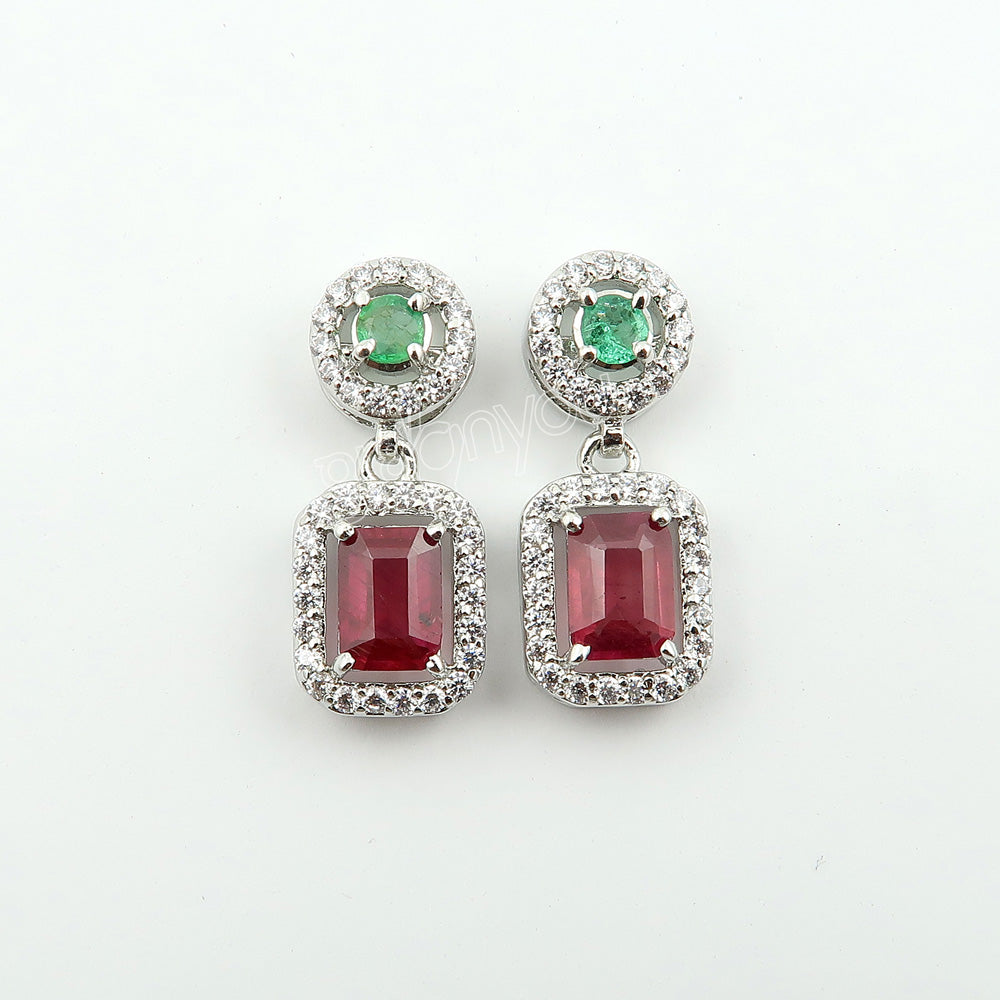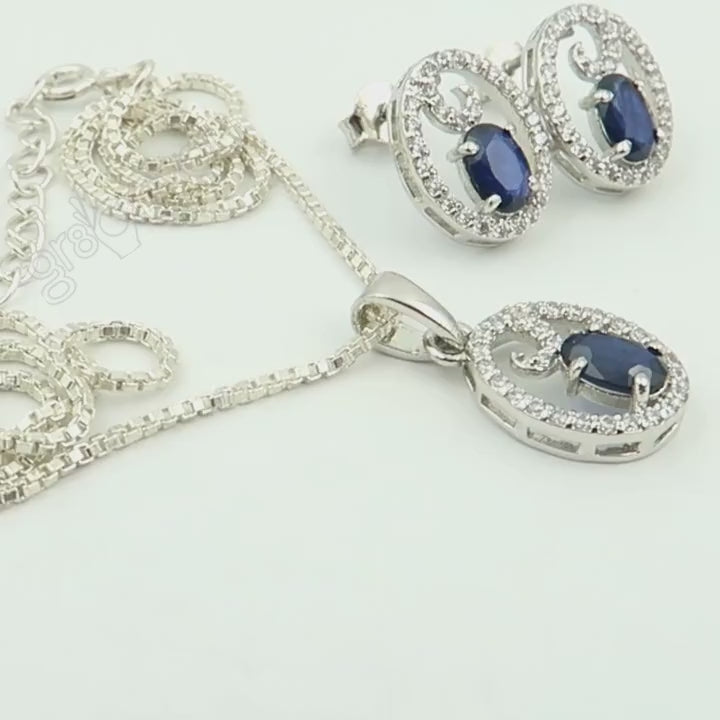





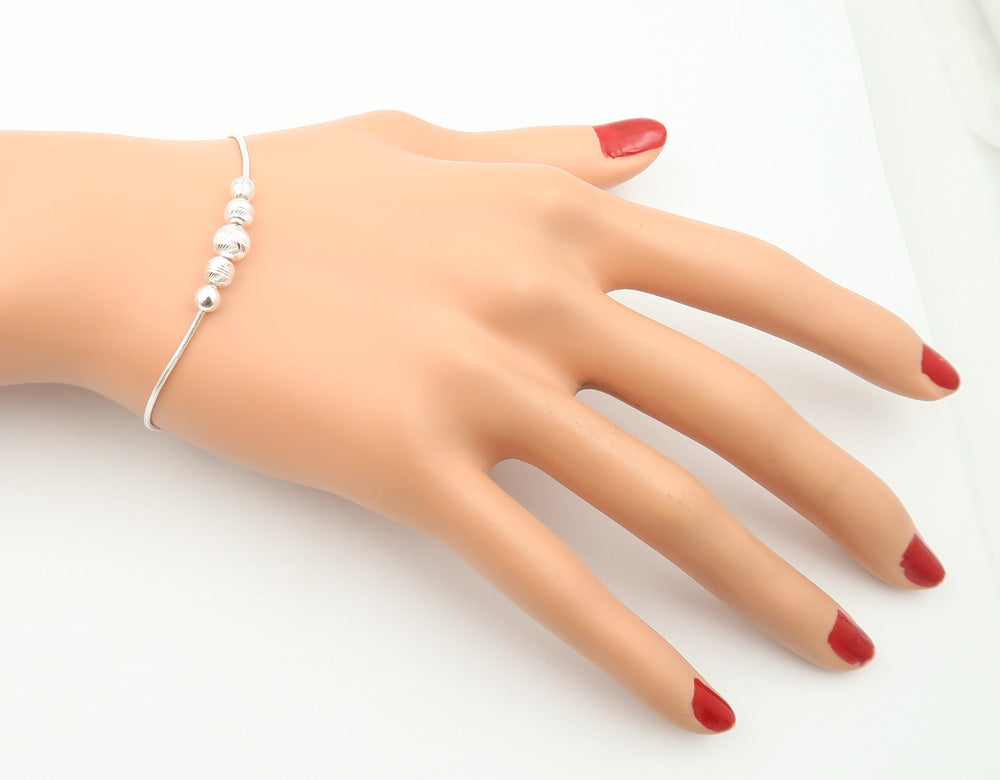


How Do You Choose Gemstone Jewellery in London?

Selecting the right piece involves careful consideration of quality, personal preference, durability, and local market knowledge. London has long served as a centre for fine jewellery, with districts such as Hatton Garden offering access to skilled craftspeople and a wide range of natural stones. Buyers benefit from understanding established criteria used by gemmologists and jewellers rather than relying solely on appearance or price.
Understanding Quality Factors for Gemstone Jewellery London Options
Colour remains the primary driver of beauty and value in coloured stones. Experts evaluate hue, tone, and saturation. A stone should display an even, attractive colour without excessive dark or light zones when viewed under different lighting conditions. Clarity refers to the presence of inclusions. Many natural gemstones contain them, and these features can confirm authenticity when identified by trained eyes. Cut influences how light returns from the stone. A well-proportioned cut maximises brilliance while preserving weight. Carat weight affects size and cost but should never override the other factors.
Durability matters for practical wear. The Mohs hardness scale guides decisions. Stones rated 8 or higher, such as sapphire or ruby, suit daily rings and bracelets. Softer materials perform better in earrings or pendants with protective settings. In the context of Gemstone Jewellery London, buyers often examine pieces in natural daylight and under shop lighting to assess true appearance. Laboratory reports from recognised institutes help verify identity, treatments, and origin for higher-value stones. Treatments such as heating are common and acceptable when fully disclosed. Natural versus laboratory-grown status should also be stated clearly on any invoice.
Exploring Pearl Set Designs and Matching Considerations
Pearls require a different evaluation approach. Lustre ranks as the most important quality factor. High-quality pearls reflect light sharply and show depth rather than a chalky surface. Nacre thickness contributes to both durability and appearance. Thicker nacre generally produces better lustre and longer wear life. Shape preferences range from perfectly round to near-round, drop, or baroque forms depending on the intended design. Surface quality should show minimal blemishes, as these affect both beauty and value. Size and matching become critical when creating coordinated pieces.
Many buyers look at pearl set designs that combine a necklace with matching earrings or a bracelet. Classic princess-length strands remain popular for formal use, while shorter chokers or longer opera lengths suit different necklines. Freshwater, Akoya, South Sea, and Tahitian varieties each bring distinct characteristics. Akoya pearls often deliver classic white or cream tones with high lustre, while South Sea pearls offer larger sizes and a softer sheen. Consistency in colour, size, and shape across a set indicates careful selection. Storage away from other jewellery and gentle cleaning with a soft cloth after wear help maintain appearance over time.
Evaluating Settings, Metals, and Wearability
The metal and setting protect the gem and influence overall style. Gold in 14-carat or 18-carat alloys provides good strength for secure prongs or bezels. Platinum offers high durability and a naturally white finish. Settings should match the stone’s hardness and the wearer’s lifestyle. Bezel settings protect softer stones more effectively than open prongs. For rings worn daily, lower-profile designs reduce the risk of catching or impact.
Consider how and where the piece will be worn. An everyday ring faces more abrasion than a pendant. Lifestyle factors such as work, sports, or frequent hand washing influence the choice. Ethical sourcing and transparent documentation add further confidence. Reputable London dealers typically provide clear invoices listing metal weight, stone details, and any treatments.
Insights from Pink Opal Jewellery Manufacturer Approaches
Pink opal presents unique characteristics. As a common opal variety, it usually displays a soft, even colour without the play-of-colour seen in precious opal. Hardness typically falls between 5.5 and 6.5 on the Mohs scale, making it more suitable for protected settings such as bezels or pendants rather than high-wear rings. Care centres on avoiding prolonged exposure to strong sunlight, extreme heat, or sudden temperature changes that can cause crazing. Gentle cleaning with a soft, slightly damp cloth followed by thorough drying is usually sufficient.
A Pink Opal Jewellery manufacturer focuses on selecting material with consistent colour and minimal surface irregularities. Stable moisture content within the stone helps prevent later cracking. When set in jewellery, the stone benefits from protective design choices that limit direct impact. Buyers should request confirmation of whether the material is solid opal or assembled and store finished pieces separately from harder gems.
Practical Steps for Informed Selection in London
Begin by clarifying intended use and preferred colours. Visit specialist areas during quieter weekday hours to allow unhurried examination. Compare several similar stones side by side under consistent lighting. Ask specific questions about treatments, origin, and any available laboratory reports. Request written details on the invoice. For custom work, discuss timelines, design process, and aftercare options.
Budget allocation works best when quality factors take priority over size alone. A smaller, well-cut stone with strong colour often outperforms a larger one with visible flaws. Local expertise in London supports both ready-made and bespoke options, giving buyers access to professional assessment before purchase.
Conclusion
Choosing gemstone jewellery successfully rests on combining personal preference with objective quality criteria. Colour, clarity, cut, durability, and proper disclosure form the foundation of a sound decision. Understanding the distinct requirements of materials such as pearls and pink opal further refines the process. London’s established jewellery community provides the setting and specialist knowledge needed to evaluate options carefully. By prioritising verified information, appropriate settings, and realistic wear expectations, buyers can select pieces that remain satisfying for years.
Frequently Asked Questions (FAQs)
Que. What factors matter most when selecting coloured gemstones?
Ans. Colour quality, including hue, tone, and saturation, ranks highest, followed by clarity, cut performance, and suitability for the intended use based on hardness.
Que. How should pearl quality be assessed in a matching set?
Ans. Focus on lustre, nacre thickness, surface cleanliness, shape consistency, and even colour matching across all pieces in the set.
Que. Is pink opal suitable for everyday rings?
Ans. Its moderate hardness makes protective settings and occasional wear preferable; pendants or earrings generally offer better longevity.
Que. Why request laboratory reports for gemstones?
Ans. Reports confirm identity, disclose treatments, and may indicate origin, supporting informed decisions on higher-value purchases.
Que. What storage practices help preserve gemstone jewellery?
Ans. Keep pieces separated by hardness, avoid extreme heat or prolonged sunlight for sensitive materials, and clean gently after wear.