






Why Buy Tanzanite Jewellery in London?

I've noticed that people shopping for gemstones tend to focus on the wrong thing first. They look at the stone before they look at who's selling it. That's backwards, in my opinion, because the seller is really what determines whether you get a fair deal or not. Can they tell you where the stone was mined? Will they admit if it's been treated, or do they dodge the question? London has managed to hold onto a solid reputation for coloured gemstones over the years, largely because enough dealers there still answer those questions properly. Tanzanite is a good example of a stone where this matters a lot. Here's what's worth knowing before buying it, or anything alongside it.
Understanding Tanzanite Jewellery London
There is exactly one place on earth where tanzanite comes from: a narrow band of land near Mount Kilimanjaro in Tanzania. No other country has a deposit like it, which already sets it apart from stones like amethyst or citrine that turn up all over the world. When someone searches for Tanzanite Jewellery London, they're generally after two things. First, some kind of proof the stone actually came from where it says it did. Second, jewellery that doesn't look like it was designed thirty years ago. A handful of London jewellers buy straight from cutting houses in East Africa rather than going through several layers of traders, and that shorter supply chain makes it easier to track a stone back to its origin. It also means the shop is more likely to tell you, without being asked twice, that the stone has probably been heat-treated. Most tanzanite has been. A dealer who volunteers that information upfront is usually one worth doing business with again.
Where the Colour Comes From
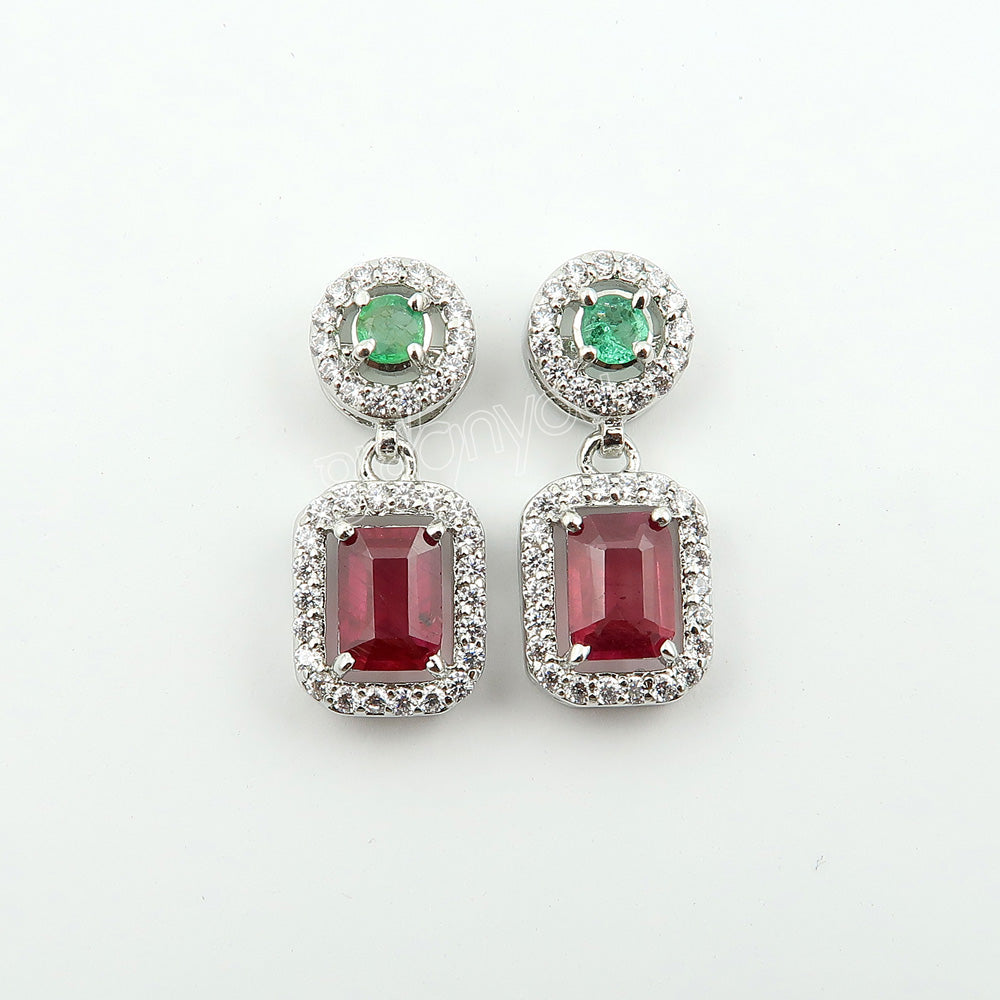
Compared to gems like emerald or sapphire, which have been pulled out of the ground for thousands of years, tanzanite is practically new. It wasn't recognised as its own gemstone until 1967. What sets it apart isn't just its rarity; it's the way the colour moves. Turn the stone in your hand and it shifts, blue one moment, violet the next, sometimes edging toward a dusty burgundy depending on the angle and the light. This is called pleochroism, and it's the reason a photo of tanzanite rarely looks like the real thing sitting in front of you. There's also the supply issue. Because no second deposit has ever been found, geologists have floated estimates suggesting the current mine could run dry within a couple of decades. Whether that turns out to be accurate or not, it's clearly changed how quickly some buyers are moving.
925 Silver Gemstone Pendant & Earrings Set – A Sensible First Step
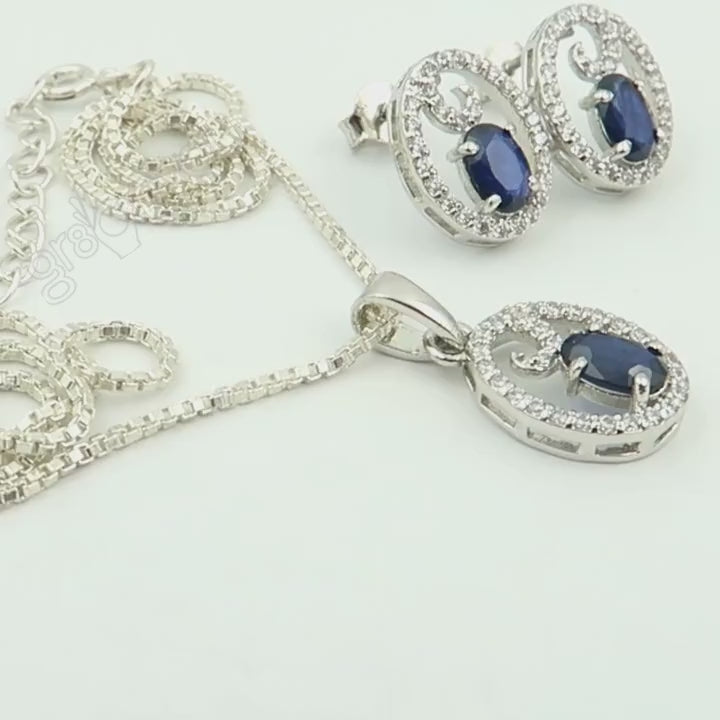
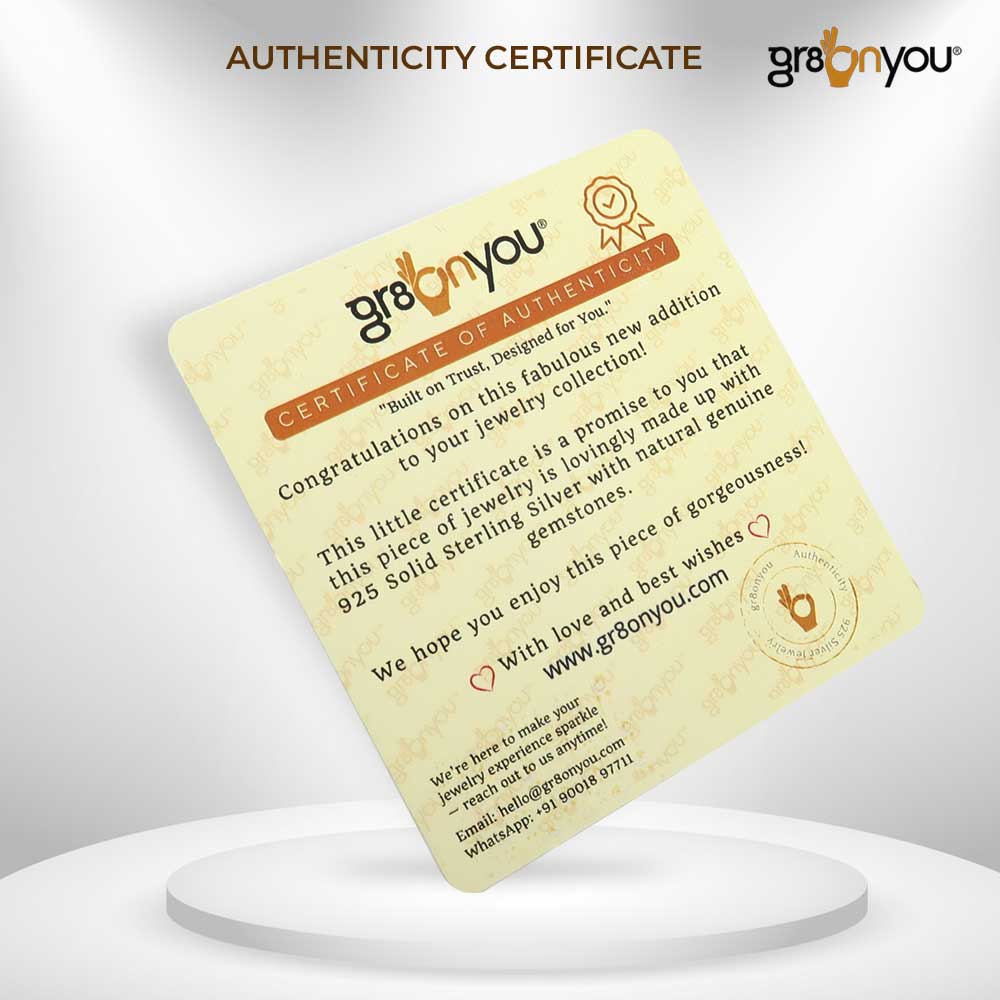
Not everyone wants to spend on a large solitaire ring right away, and there's no reason they should feel pressured to. A 925 Silver Gemstone Pendant & Earrings Set is a more forgiving starting point. That 925 stamp means the metal is 92.5% pure silver, mixed with other metals to give it the durability plain silver wouldn't have on its own. A matching pendant and earring set gives you something coordinated to wear day to day, and it's a low-stakes way to try out a coloured stone, tanzanite or otherwise, before committing to something pricier. Check for a hallmark on the piece so you're not just taking the seller's word for the silver content. It's also worth asking how the stone was set into the metal, since that affects whether it can be resized or fixed later without damaging it.
Biwa Pearl Jewellery Set: A Quieter Option
Not everything in this space needs to be bright or bold. A Biwa Pearl Jewellery Set fits well if you want something more understated to sit alongside brighter gemstones in your collection. The name traces back to Lake Biwa in Japan, where commercial freshwater pearl farming first took off, though these days most pearls sold under that name are grown across freshwater farms scattered through Asia, not just that original lake. They come out slightly uneven and a little elongated, unlike the near-perfect roundness you get with saltwater pearls, and that irregularity is actually part of the appeal for a lot of buyers. A full set, say a necklace with matching earrings, makes a solid gift, and it suits anyone who finds louder gemstones a bit much for everyday wear.
Why Buyers Keep Coming Back to Tanzanite Jewellery London
None of this counts for much without documentation to back it up. A seller worth trusting in the Tanzanite Jewellery London market will give you a certificate from a proper gemmological lab, list the carat weight and clarity clearly, and be direct about whether the stone has been treated. This isn't a small point. Untreated tanzanite is considerably rarer, and it's priced accordingly, so mixing the two up, whether on purpose or through carelessness, ends up costing the buyer either money or trust. Hatton Garden has spent well over a hundred years building its name in this trade, and that kind of reputation only survives when customers keep coming back, which they don't do for dealers who've misled them once already.
What to Check Before You Buy
Look at the stone under a few different light sources before deciding. Tanzanite's colour genuinely shifts between daylight and the lighting inside most shops, so what catches your eye under a spotlight might look different once you're outside. Ask directly whether it's been treated, get that answer in writing if you can, and don't let carat weight alone drive your decision, since cut and clarity carry just as much weight in what a stone is actually worth. Buying online adds another layer to think about: check the return policy, and see whether the retailer allows for an independent appraisal, because a stone that looks flawless in a product photo doesn't always hold up once it's sitting in your palm.
Taking Care of Tanzanite and Pearl Pieces
Tanzanite sits around 6 to 7 on the Mohs hardness scale, softer than both sapphire and diamond, so it shouldn't be tossed into a drawer alongside harder stones where it could get scratched. Ultrasonic cleaners are best avoided too; they can loosen the setting or crack the stone outright. A soft cloth and some mild soapy water will usually do the trick. Pearls need a gentler touch still. Put them on after perfume and hairspray have had time to dry, not before, since both can dull the surface over time without you noticing right away. Keep the two stored apart, ideally in a lined box or a soft pouch, and they'll both last a lot longer.
Conclusion
At the end of the day, buying gemstone jewellery comes down to trust more than it comes down to taste. That's really where London's jewellery trade earns its keep, compared to markets with looser standards. Whether you end up drawn to a striking tanzanite piece, something practical like a silver gemstone set for daily wear, or the quieter look of freshwater pearls, the paperwork around certification, treatment, and hallmarking matters more than whatever's sitting in the display case. Anyone looking into Tanzanite Jewellery London should treat that transparency as the real test of quality, not the shine.
Frequently Asked Questions (FAQs)
Que. Is tanzanite actually a good investment?
Ans. Its value has gone up over time, partly because there's only one source for it, but pricing still hinges on colour, clarity, and overall quality, so it's smarter to buy it for the enjoyment rather than expecting a guaranteed payout down the road.
Que. How do I find out if a tanzanite stone has been treated?
Ans. The vast majority of tanzanite on the market has been heat-treated. That should show up on the gemstone certificate, and if a seller can't produce one, it's worth asking before you hand over any money, not after.
Que. Does 925 silver hold up to everyday wear?
Ans. It generally does, though it can tarnish over time when exposed to air and moisture, so giving it an occasional polish with a silver cloth keeps it from looking dull.
Que. What actually separates freshwater pearls from saltwater ones?
Ans. Freshwater pearls, including Biwa-style ones, tend to have thinner nacre layers but are farmed in much larger quantities per mollusc, which explains both their slightly irregular shape and their generally lower price compared to saltwater varieties like Akoya or South Sea pearls.
Que. Why does London have such a strong name for coloured gemstones?
Ans. A lot of it comes down to Hatton Garden, where decades of hallmarking standards, certification requirements, and consumer protection rules have given buyers more to fall back on if something goes wrong than they'd typically find in less regulated markets.